
Liberation represents a profound concept in modern healthcare, moving beyond mere treatment to encompass the preservation of a patient’s identity and daily life. A pivotal innovation in this pursuit is the ambulatory infusion pump, a device whose very purpose is to untether individuals from their hospital beds. By delivering continuous medication while a person moves freely, these pumps have redefined the experience of chronic care, transforming arduous treatment regimens into manageable parts of a routine.
From Stationary to Mobile: A Brief History of Innovation
The development of the ambulatory infusion pump is a story of technological empathy. While the first electric infusion pumps emerged in the 1960s, they were largely confined to clinical settings. The true breakthrough came in 1970 with Dean Kamen’s invention of the first portable pump. This was not merely a miniaturization of existing technology; it was a fundamental reimagining of patient care. For the first time, therapies requiring continuous administration—such as certain chemotherapy regimens, pain management, or antibiotic treatments—could be administered outside the confines of a hospital, granting patients invaluable autonomy.
Precision and Intelligence in Modern Care
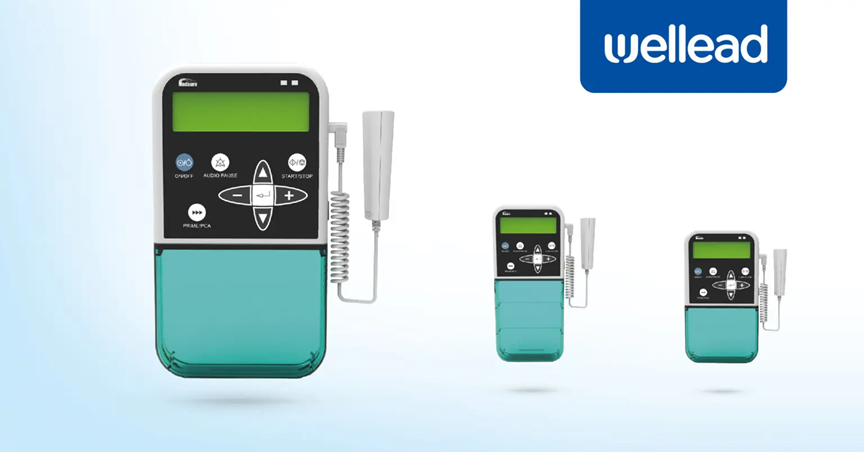
Today’s ambulatory infusion pump is a sophisticated microcomputer worn on the body. These devices integrate precise drug delivery with advanced safety monitoring systems, ensuring the correct dosage is administered at the exact right rate. Their intelligence extends to alerting patients and caregivers to potential issues like occlusions, low battery, or end-of-dose, providing critical peace of mind. This reliability makes them indispensable across a wide spectrum of medicine, from oncology and parenteral nutrition to the management of complex chronic diseases, allowing for highly effective treatment that aligns with a dynamic lifestyle.
Conclusion
In conclusion, the ambulatory infusion pump stands as a testament to how medical technology can humanize healthcare. It successfully addresses the dual challenge of delivering complex, continuous therapy while championing the patient’s quality of life. By enabling mobility, these devices help maintain normalcy, dignity, and personal freedom during difficult treatment journeys. Companies like Well Lead Medical that contribute to this field are part of a vital ecosystem, advancing the technology that allows patients to remain active participants in their own lives while receiving the care they need.
